

Window Repairs Stevenage
Window repairs stevenage are a vital part of maintaining your home. A professional can repair or replace double-glazed windows, as well as repair or re-glaze your doors. They can also fix window hinges and locks.
Replacing windows in a leasehold flat may require planning permission. This is especially applicable if the property has been listed.
Double Glazed Windows
Double glazing can enhance the appearance of your house while increasing the efficiency of your energy usage. It consists of two panes that have an air space between them. This helps to reduce heat losses and makes your home more comfortable during the winter months. It also reduces noise, particularly if you live close to a busy road. These advantages can make your house more attractive to prospective buyers.
It is crucial to remember that only a professional company is able to repair double-glazed windows. A reputable company will make sure that the repair is completed properly and will give you a free quote. They will also provide a guarantee on their work.
double glazed front doors stevenage will be able to help you choose the right kind of window to fit your home. Before you make a decision, you will need to consider your budget and lifestyle. There are several types of uPVC windows available on the market, from fixed to sliding and casement. You can also purchase an A-rated, high-performance window for your home.
To repair a double-glazed window, first you must take the glazier's glazier's tacks from the frame. Then, you'll need to loosen the uPVC glazing compound. Then, you need to make a long rope out of the compound and press it evenly into your pane. You can also use an oil-based primer to coat the glazing compound.
Double-glazed windows can also reduce condensation. Condensation can occur when the glass in your windows is colder than the temperature inside your home. This can lead to mildew or mould. It can also rot wooden frames. With double glazing, the glass's temperature is more similar to the temperature of your home, which prevents condensation and can help you save money on your heating bills.
Casement Windows
In contrast to double-hung windows, which are able to open and close using hinges at the bottom and top, casement windows are more complicated. They are operated by hinges on the sides and can be opened using a crank that is built into the frame. These windows are great for ventilation in hard-to-reach areas of the home.
They are available in different styles and materials such as aluminum, wood, uPVC, and steel clad wood. They can be customised to suit any aesthetic. Certain windows can even have an energy-efficient design and Super-Spacer between the panes.
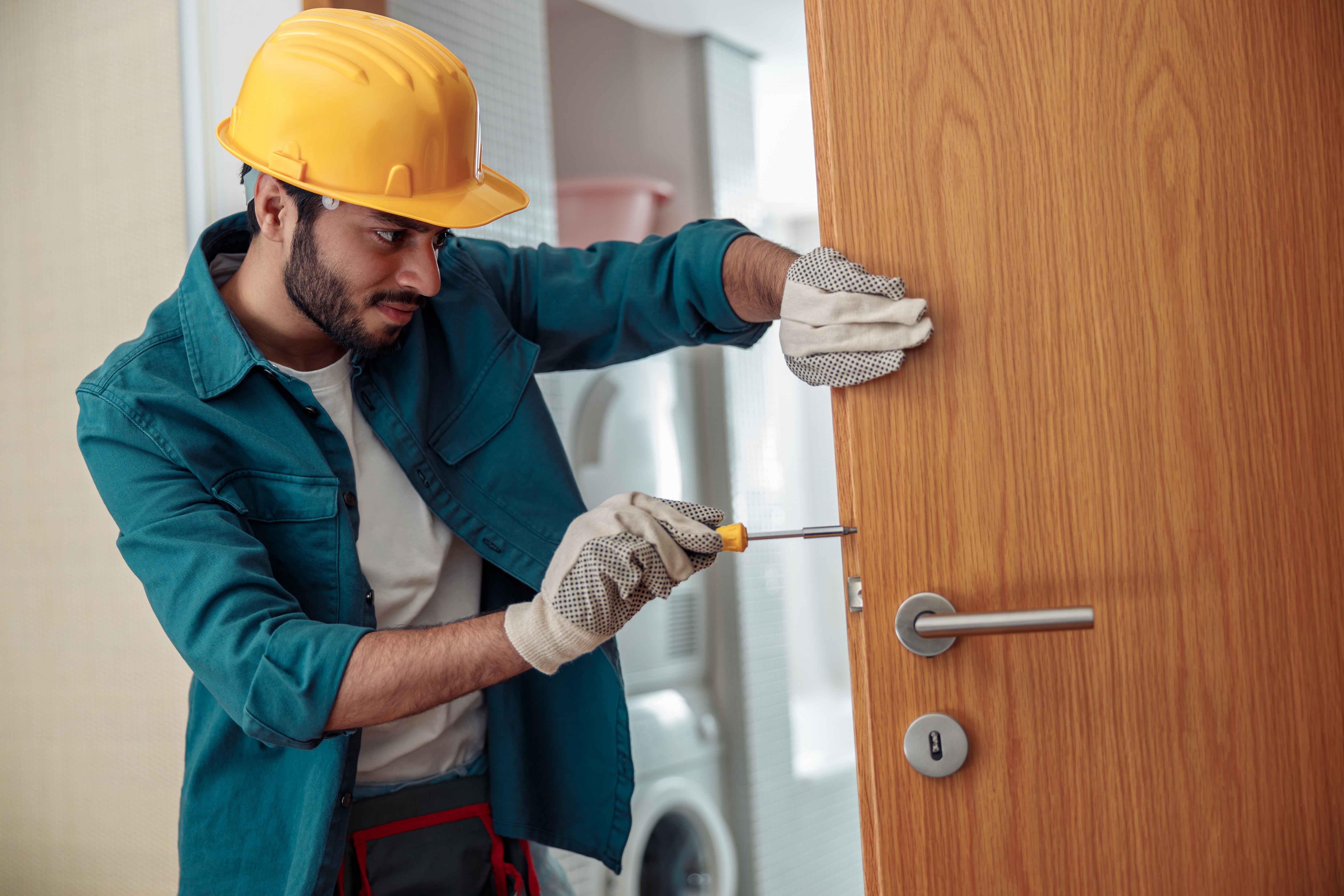
Casement windows are easy to clean and offer plenty of airflow. These windows are also great for places that are hard to reach, such as above the kitchen sink and high ceilings. These windows also offer the highest level of security. They shut tightly and lock at multiple points, ensuring that air infiltration and draughts are minimized.
Certain casement windows feature separate glass panels, known as muntins, while others consist of large glass pieces that are unbroken. The curved, hinged arm of the window makes it easier to close than sliding windows and is much more secure than other window styles.
Casement windows need regular maintenance as do other types of windows. If the windows are faulty or aren't closing or locking properly, they could become vulnerable to wind storms. Consult a window repair professional in case you are concerned about your casement windows. They can inspect your windows and replace the mechanisms which ensure they function properly. They can also apply new coatings to protect your windows against corrosion and the elements.
Tilt & Turn Windows
Tilt and turn windows can either be opened to the side like a door or swung open and tilted inward to allow ventilation by a simple turn of their ergonomic handle. This style is extremely popular in Europe and provides an efficient solution for homeowners who wish to cool their home without having to leave the window wide open.
This kind of window offers the highest level of security, as the opening mechanism is secured. This makes it difficult for burglars to break in by climbing up the window. They are also more energy efficient than conventional windows and are able to be fitted with double glazed units in order to reduce the noise level.
They are also great for controlling the temperature of your home and can help save on heating costs in the winter. They can create an airlock that stops cold air from entering and warm air from leaving - making them very efficient in insulating your home.
This style of window has the advantage of being clean and easy to clean in comparison to other kinds of. It is easy to tilt and turn the handle to access both sides of the window which makes it a lot easier to clean any dirt or debris from your windows. This is particularly helpful when there are areas that are difficult to access in your home, such as the sides and tops of your kitchen cabinets.
This kind of window is more difficult to repair due to its complicated operating system. It's also important to think about your room before installing this type of window as it opens inward so it should be placed where it won't be in contact with furniture or objects.
Folding Sash Windows
Windows with sash folding are a traditional style of window However, they've been updated to improve energy efficiency. They're ideal for living areas or bedrooms, and can be fitted with double glazing for added insulation. There are many different colours and wood grain finishes available.
The mechanism behind the folding sash window has been largely unchanged since they were first designed centuries ago, but the mechanism has been improved to incorporate features such as draught-proofing. Whether you're looking for a new double-glazed sash window, or you need repair services on an existing one, there are a variety of firms in Stevenage that can help.
Before re-inserting the pane, you should make sure that the glass is free of cracks or scratches. Use a cloth to clean any moisture that has accumulated on the edges of the pane. After that, wait twenty four hours until the epoxy is completely dry and cure. When it is, hand-sand the sash with sandpaper and then wipe off any dust using a damp cloth. Then, seal the sash with a coat of primer.
Once you're ready to insert the pane, begin by placing a glazier's point on each side of the glass and pushing it into the sash of wood. Putty is applied to the rabbet or groove of the pane's opening. Roll a rope or multi-purpose putty into a sausage shape and then press it into the groove. Then, gently press the pane into the compound, until it's 1/16 inch below the bottom of the rabbet.
External Doors
Replacing a pane of glass in an external door is a great option to freshen up your home's appearance without the expense and hassle of replacing the whole door. External doors are available in a wide variety of styles and finishes so you're able to locate one that matches your existing interior decor. Additionally, modern exterior doors are more efficient in insulation than their predecessors and frequently meet Building Regulations regarding thermal heat loss as well as security, ventilation and access.
When replacing windows, it is a good idea to vacuum up any remaining shards of glass around the flooring and the general area in which you're working. This can help reduce the risk of injuries and damage caused by movement of the glass during work.
Step 2: Clear the area in which the old pane was by using a tool to loosen the moulding surrounding it. Be careful not to snap the moulding while digging into it with your knife.
After the space is cleaned, you can now insert your new pane of glass and then place it inside the space where the old pane was. Make sure that the pane glass is properly aligned and then use the compressor nail gun to secure it, or hammer galvanised (brad nails) into it.